EVERY YEAR, billions of birds representing more than 100 species complete an epic journey to spend the southern summer in South Africa. They escape freezing winters in Europe and Asia, or fly from other parts of Africa to chase the seasonal rains and warm weather.
These incredible long-distance travelers start arriving in August and stay until March or April.
Amazing Migratory Species
Some of the types of migratory birds one can expect to see in South Africa include waders, steppe eagle, steppe buzzard, white stork, European roller, European bee-eater and barn swallow.
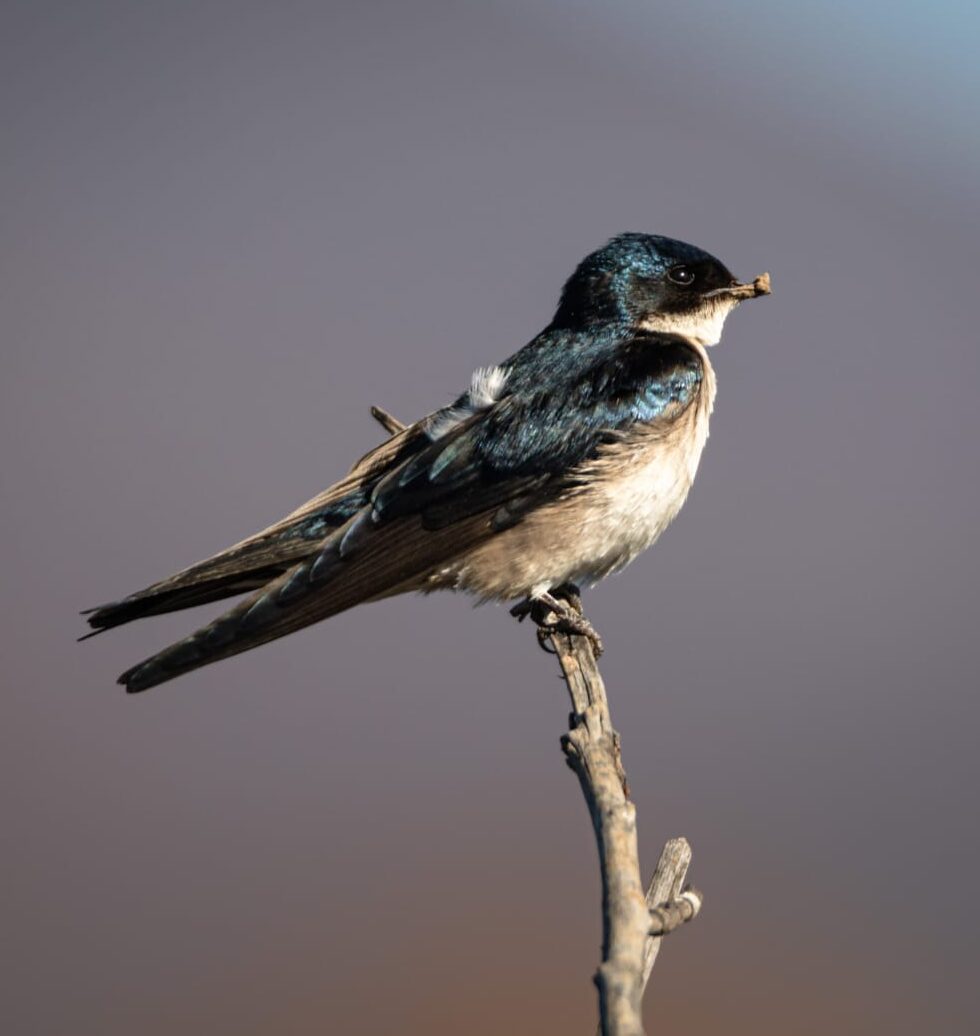
Barn Swallow (Hirundo rustica); copyright Jochen Voges
Barn Swallows travel more than 10,000 kilometers from Europe and Asia. They spend their days catching insects over fields and farm dams.
The tiny Amur Falcon raptors fly all the way from eastern Asia and Siberia. They arrive in large flocks to feast on flying termites and beetles.
European Rollers, sporting brilliant turquoise and blue feathers, migrate from Europe and Central Asia to spend the summer months in our open woodlands.
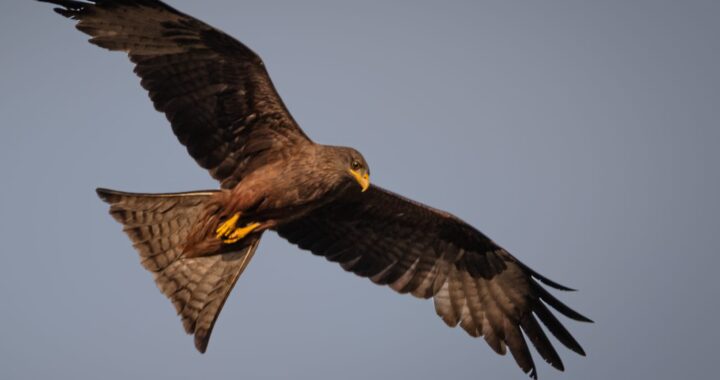
Other migratory birds are the Intra-African migrants, 35 species of which have been recorded in South Africa. These include the Yellow-billed Kite (from sub-Saharan Africa).
Why the Correct Habitat is Vital
Migratory birds arrive in southern Africa exhausted and depleted of energy. They rely on specific local ecosystems to survive their stay. For rest and recuperation they need the wetlands, coastal mudflats, and undisturbed grasslands which give birds a safe place to sleep and lower their stress.
For refueling and feeding a healthy habitat should provide abundant insects, fresh water, and seeds. Birds need this rich food supply to rebuild muscle and fat.
Many intra-African migrants use South Africa’s summer conditions to build nests, lay eggs, and raise their chicks safely.
Without these critical stopover and summer sites, birds cannot regain the strength needed for the long flight back north.
Protecting Our Natural Spaces
Human expansion, pollution, and climate change threaten the habitats these travelers depend on. Draining wetlands or destroying open grasslands removes vital food sources. When we protect local wetlands and preserve native trees, we give migratory birds a true haven.
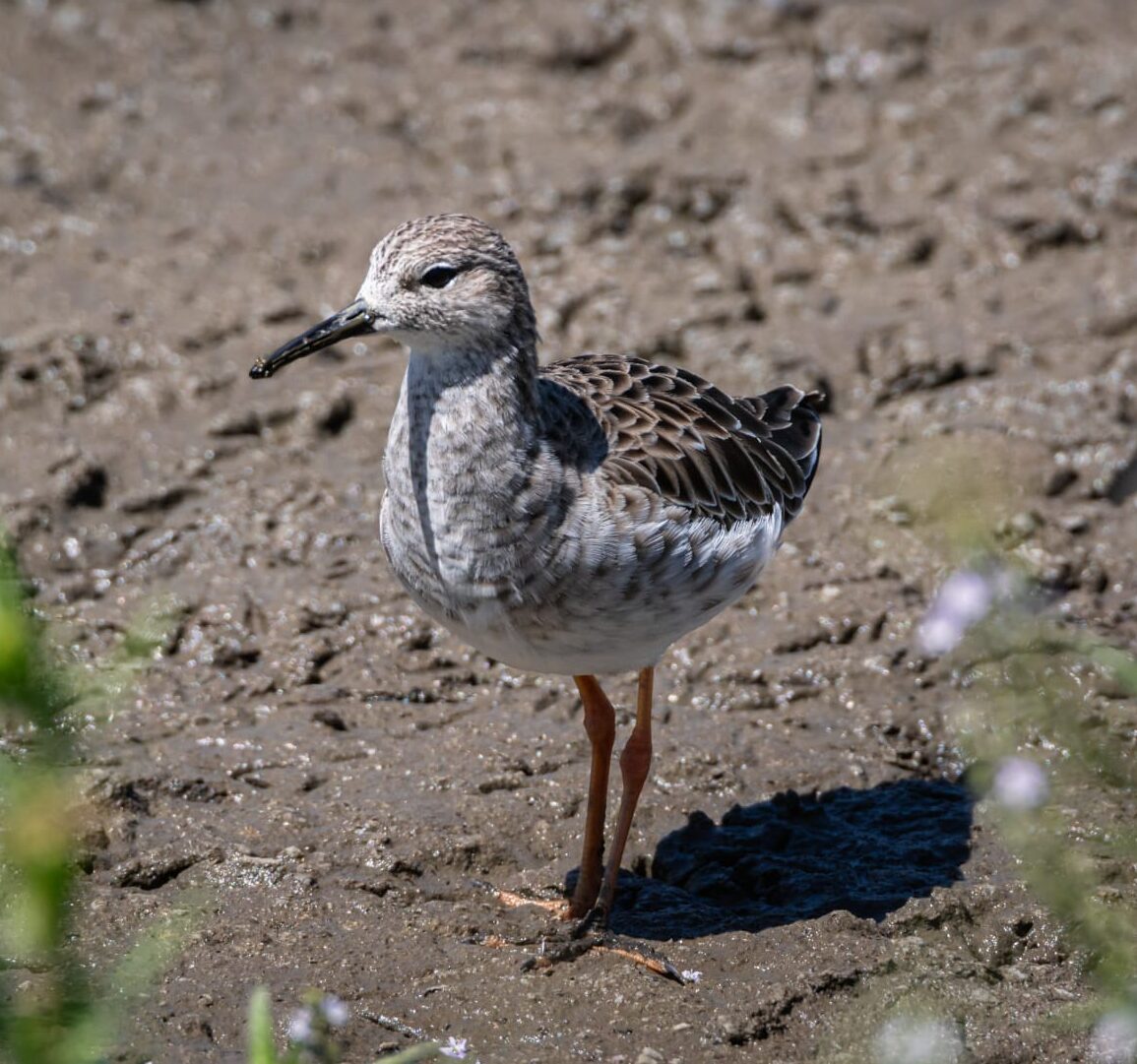
Ruff (Calidris pugnax); copyright Jochen Voges
Providing the correct environment ensures these magnificent creatures can rest, feed, and breed successfully before taking flight for Europe, Asia, and northern Africa.
Gardening for Migrating Birds
Creating a welcoming space for feathered visitors involves intentional gardening choices, while protecting them on their journey requires addressing modern urban threats.
By transforming our yards into ecological havens and reducing artificial glare, we can directly support the survival of local and migratory birds.
To attract diverse bird species, a garden must provide a rich blend of food, water, and structural security.
Selecting locally indigenous South African plants ensures you cater to the specific dietary and nesting needs of seasonal travelers.
Main image (top): Yellow-billed kite (Milvus aegyptius); copyright Jochen Voges
We use cookies to ensure that we give you the best experience on our website. If you continue to use this site we will assume that you are happy with it.