by Anne Kruger, GST Correspondent
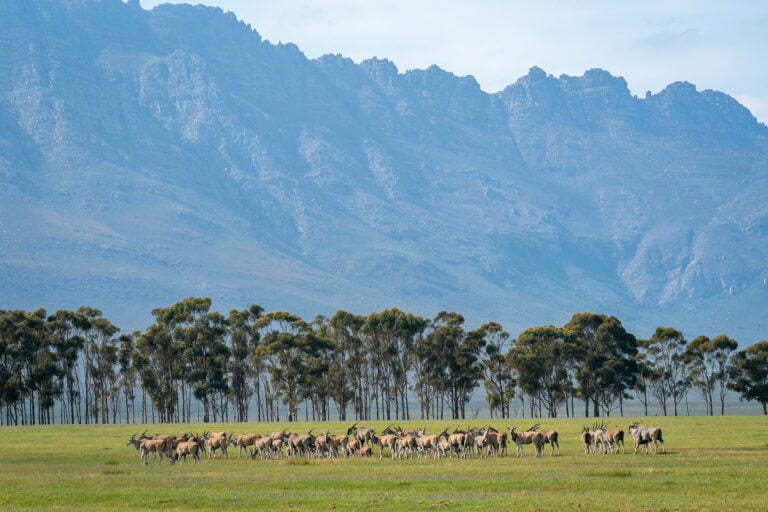
Bartholomeus Klip is a working sheep and wheat farm located in the farmlands of the Riebeek Valley. It is surrounded by a pristine nature reserve and looks out onto the Limiet Mountain range. Visitors to Bartholomeus Klip can experience a mix of a working farm, nature reserve and luxurious accommodation combined with food and authentic farm hospitality, and enjoy guided nature drives in an open Landrover to view the game on the property.
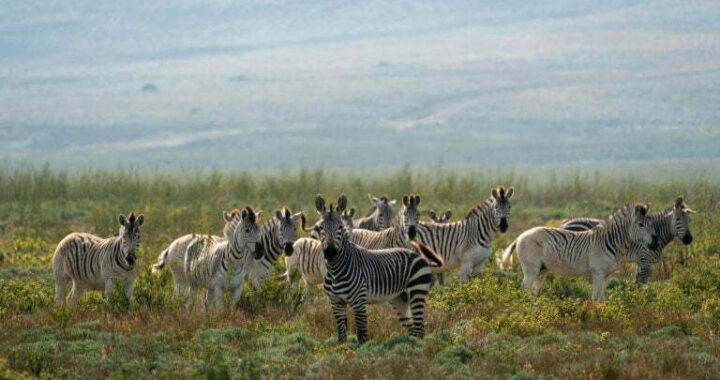
The reserve, which was established in the 1970s, has abundant herds of eland, springbuck, black wildebeest, zebra and bontebok, as well as other animals such as baboons, bat-eared foxes, lynxes, and smaller species of antelope. Several different leopard individuals have been photographed in the reserve by trail cameras, usually at nighttime.
Fynbos is generally poor in birdlife but they have recorded more than 150 bird species at Elandsberg. Notable are the Cape sugarbird and the orange-breasted sunbird, both endemic to the region, as well as the vulnerable black harrier and flocks of South Africa’s national bird, the blue crane. Many different species of water bird, including the fish eagle, the osprey and various kingfishers, have been seen at the dam.
The Elandsberg nature reserve, which is 4 000 hectare (10 000 acres) in extent, was formally declared a provincial nature reserve in 2008 in recognition of its importance to conservation. Its botanical value is incalculable since it preserves the largest remaining portions of two highly threatened renosterveld and fynbos plant communities, which have otherwise been almost entirely ploughed under for wheat farming.
The reserve is particularly rich in plant species. Several of them occur nowhere else, and some of these, such as the Elandsberg Candelabra Lily, have been named for the reserve. The endangered geometric tortoise is the rarity among the fauna on the reserve. Its native renosterveld habitat has been destroyed over much of its former range and it survives only in small pockets, of which the Elandsberg reserve is the largest.
With its unusual plants, the reserve is the subject of many ongoing studies by local universities and other institutions, and an in-house project has already identified more than 850 species of plants here, including a spectacular diversity of spring flowers and bulbs. Many of these species are threatened and at least five of them have only ever been found in the reserve.
The magnificent black eagle – Verreaux’s eagle – nests in the mountains, and the enormous dam near to the farmhouse has a spectacular array of water birds, some resident like the fish eagles and the kingfishers, with others such as the pelicans and the spoonbills less regular visitors.
The Quagga project
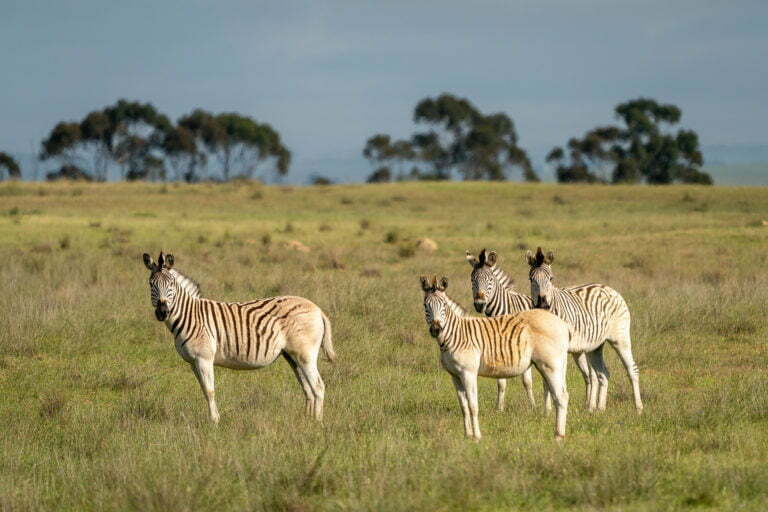
The Quagga project, started in 1987 by a group of dedicated people in South Africa, has successfully brought back an animal from extinction and reintroduced it into reserves in its former habitat. DNA analysis has shown that the Quagga was not a separate species of zebra but in fact a subspecies of the Plains Zebra (Equus Quagga). The Quagga formerly inhabited the Karoo and southern Free State of South Africa. Like other grazing mammals, Quaggas had been ruthlessly hunted. They were seen by the settlers as competitors for the grazing of their livestock, mainly sheep and goats.
Tortoise project
Perhaps the most important inhabitant of the reserve however is a far smaller creature: the endangered geometric tortoise, one of the world’s rarest reptiles, safe here in its last remaining viable habitat near Cape Town. The Geometric Tortoise Head Start Project was set up after a fire swept through the Elandsberg Nature reserve in 2012, and aims to research, protect and ensure survival of this critically endangered tortoise. They have started to release tortoises that hatched at the rescue camp back into the reserve. By reintroducing juvenile tortoises back into their natural habitat, they hope to raise their geometric tortoise population back to what it was before the fire. Each tortoise is tracked by means of telemetry trackers attached to their shells.