
by Niël du Toit, CEO of Go Sustainable Tourism (GST)
Using Cape Town – the Fairest Cape – as gateway, travel South Africa by Kontrei (Region). This refers to using Kontrei glasses when looking at South Africa as it shows itself via the brittle outer layer at the Earth’s surface.
South Africa’s amazing geographic diversity becomes evident when exploring the landscape and one Kontrei different from the previous one occurs in a transition rather than a sharp boundary by their names like Boland, Swartland, Namaqualand, Richtersveld, Hantam, Camdeboo, Kalahari, Bushveld, Lowveld, Midlands, Maputoland…
In terms of sustainability the diversity in natural (geographic) and human (demographic) societies must be used in terms of conservation – using with minimum impact – so as to sustain a strong operational earth.
Where tourism product owners respect biodiversity, they promote sustainable tourism by offering an authentic product to the visitor to their kontrei and place.
Kontrei describes “my home with a name given for a limited geographical area with unique characteristics due to its natural and cultural integrity and dynamics”.
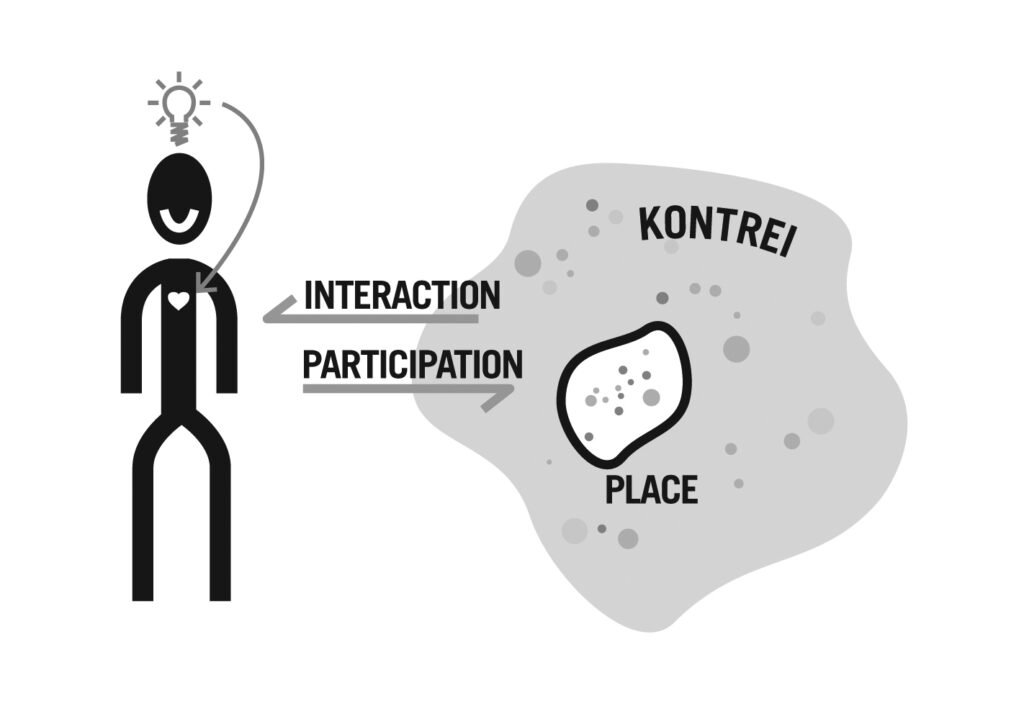
Place describes my home as “an authentic chip of my Kontrei”.
The GST approach incorporating the Kontrei point of view encourages tourists to come, travel Kontrei (Region) by Kontrei (Region) and Place by Place.
As such Kontrei-travelling becomes a series of “sense of place” experiences.
Selected kontrei hosts from the various regions will host and guide the guest in an enlightening way at their place.
The guided tour itineraries are designed to “go slow” and “experience more”. Staying at least 2 nights per destination makes for a more, authentic sense of place experience.
The GST Management method
Each verified member of GST is actively managing his/her Tourism stay business in their unique kontrei (geographical región) and place, thus contributing via the 4 structural elements, (the 4C’s), to sustainability:
- Conservation: using natural and cultural resources for tourism; production with minimum impact.
- Community: enhancing benefits for host communities at tourism destinations.
- Customer: ethical consumption of authentic sense of place experiences.
- Company: profitable management the long term financial sustainability of its tourism business.
The GST management method asks valid questions serving as criteria- management objectives. GST members answer by supplying unique management performances on the objectives. A verification audit according to an international accepted method, verify the management performances.
GST members qualify for a verification audit certification which the tourist can trust as being a valid measurement.
Main image: RSA Geographic Diversity when using Kontrei glasses