
By Rina Steyn, GST Correspondent TWO YEARS AGO, the current owner of Paarl Waste and Recycle purchased Wykco Recycling and appointed Jacques Boshoff from Ceres as the General Manager of the new company in Donkervliet Street. Jacques was the ideal choice to lead the business. Jacques was the first South African to study landscaping in […]
Continue readingAll Articles
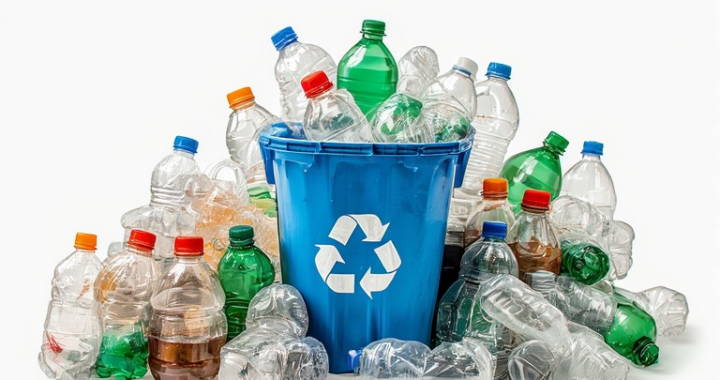
12 reasons why plastic recycling is failing so badly
By Jordi Diaz Marcos – Profesor departamento materiales y microscopista , Universitat de Barcelona. First published in The Conversation on February 24, 2026 As good citizens, we diligently fill the recycling bins provided by our local authorities with all manner of plastic trays, boxes, bottles and bags. But as these bins fill up quicker and […]
Continue reading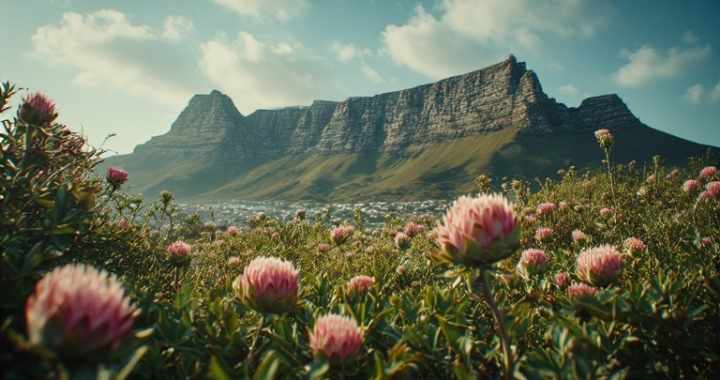
Cape Town’s wildflowers are a world treasure: six insights from a new checklist
By Dian Spear – Senior research scientist, Stellenbosch University; Nicola van Wilgen-Bredenkamp – Research associate, Stellenbosch University; Patricia Holmes – Plant ecologist, Stellenbosch University; Ronell R Klopper – Extraordinary Lecturer, University of Pretoria; Tony Rebelo – Scientist, South African National Biodiversity Institute. First published in The Conversation on 11 February 2026 CAPE TOWN, IN SOUTH […]
Continue reading
Namibia and Angola’s remote Ovahimba mountains reveal a haven for unique plants – new survey
By Vera De Cauwer, Associate Professor Natural Resource Management, Namibia University of Science and Technology. First published in The Conversation on October 19, 2023 The Kaokoveld region, covering north-western Namibia and south-western Angola, is one of the remotest areas in southern Africa. Although it’s extremely dry, it is a centre of species endemism: many species […]
Continue reading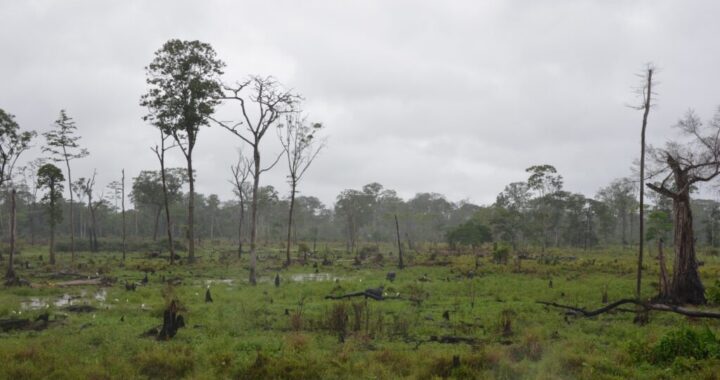
Maintaining natural resilience for a sustainable future
By Prof Leon Hugo, former head of the Department of Geography at Pretoria University. First published in Environatics.co.za Nature maintains a delicate balance between growth and decay. For instance, trees in a forest perpetually grow, yet the total biomass of the forest remains constant. This chapter will delve into the control mechanisms, that serve as […]
Continue reading
Clearing alien trees can help reduce climate change impact on Cape Town’s water supply
By Petra Brigitte Holden – Researcher, University of Cape Town; Alanna Rebelo – Senior Researcher, Agricultural Research Council; Joyce Kimutai – Climate Scientist, University of Cape Town; Kamoru Abiodun Lawal – Postdoctoral Research Fellow in Atmospheric Science, University of Cape Town; Mark New – Director, African Climate and Development Initiative, University of Cape Town; Piotr […]
Continue reading
Lost fynbos seeds from underground ‘time capsules’ in South Africa can grow again – new study
By Alanna Rebelo – Senior Researcher, Agricultural Research Council; Karen Joan Esler – Distinguished Professor of Conservation Ecology, Stellenbosch University; Patricia Holmes – Plant ecologist, Stellenbosch University; Tony Rebelo – Scientist, South African National Biodiversity Institute. First published in The Conversation on March 17, 2025 Underground seed banks in South Africa that date back over […]
Continue reading
The quest for sustainability: understanding environmental degradation
by Prof Leon Hugo, former head of the Department of Geography at Pretoria University. First published in Environatics.co.za It’s a sobering reality that thousands, primarily children, succumb annually to dire environmental conditions and hunger in Africa. There looms a genuine threat of our planet’s production systems collapsing, potentially leaving us all without sufficient food. Since […]
Continue reading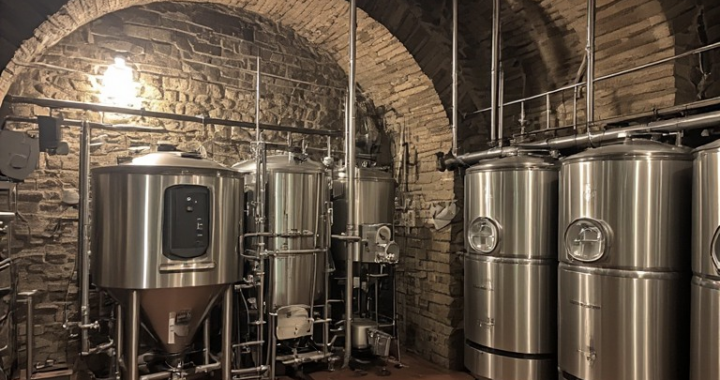
Making wine takes a lot of energy. How South Africa’s vintners can cut back
by Alan Brent – Professor of Engineering Management and Sustainable Systems, Stellenbosch University This article was published in The Conversation Wine production consumes large amounts of energy and generates a sizeable quantity of greenhouse gases. A looming carbon tax and greater consumer awareness about reduced energy use has led to a growing interest in the […]
Continue reading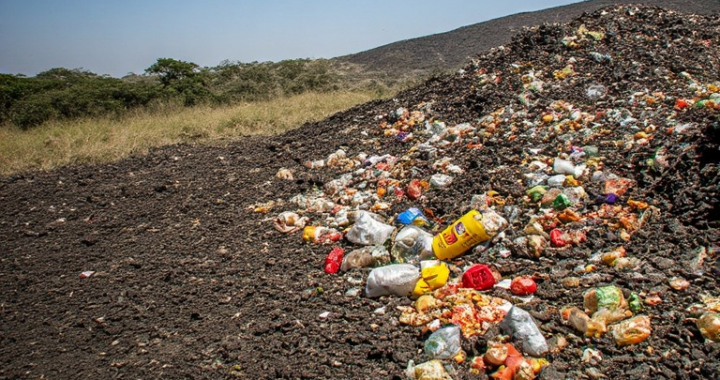
Food waste in South Africa is dumped in landfills – study weighs up healthier and more sustainable options
by Anne Fitchett, Retired Honorary Associate Professor in the School of Civil and Environmental Engineering, University of the Witwatersrand – this article was first published on 10 December 2025 in theconversation.com Every year, millions of tonnes of food end up in South Africa’s landfills. This is a wasted resource that deepens environmental damage, worsens food […]
Continue reading