
By Rina Steyn, GST Correspondent
TWO YEARS AGO, the current owner of Paarl Waste and Recycle purchased Wykco Recycling and appointed Jacques Boshoff from Ceres as the General Manager of the new company in Donkervliet Street. Jacques was the ideal choice to lead the business.
Jacques was the first South African to study landscaping in Switzerland. After graduating his first job was to do the landscaping for the Union Bank of Switzerland, one of the largest banks in the world, headquartered in Zurich. He often flew on Edelweis, operated by Swiss Air, as a standby passenger to visit South Africa on weekends. After several years in landscaping, he joined Swiss Air.
After many years abroad, Jacques returned to South Africa. Having lived in a very clean country, he recognised an opportunity to start his own recycle business in Ceres. Through hard work it became a great success, which eventually led to his current position.
Plastic is sorted into categories: HDPE (High-Density Polyethylene), such as large, thick plastic cans and pails; LDPE (Low-Density Polyethylene), such as Checkers bags; and PET (Polyethylene Terephthalate), such as plastic bottles.
Paper is divided into cardboard, white paper, newspaper and periodicals. Each type is recycled to produce different products at different factories, and this process can be repeated several times. The final paper product that cannot be recycled any further is the egg box, which can only be placed on a compost heap.
The sorted recyclables are loaded onto a conveyor belt by a front-end loader. At the top of the belt, the material is dropped into the baler, which compresses and bales it.
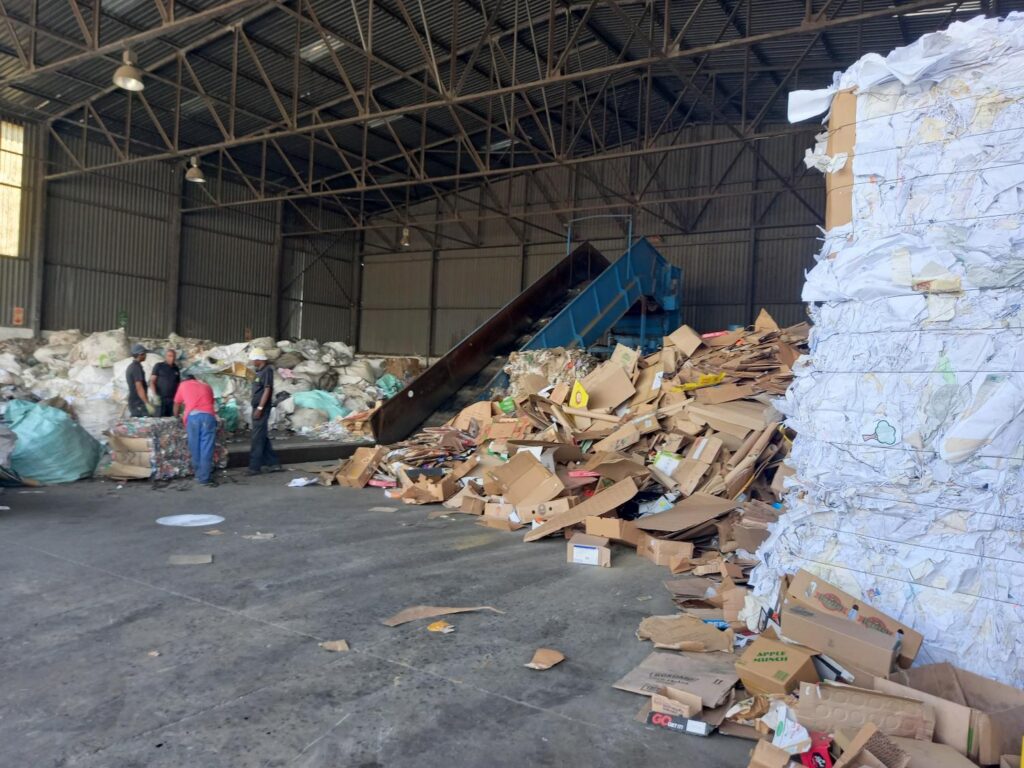
Certain containers can be recycled and turned into new containers, which can then be recycled again and transformed into other products. Because not all containers are made from the same base components, sorting is a highly skilled and scientific process.
Jacques learned from his business in Ceres that proper staff training is non-negotiable for success. He insists on strict standards, as a single incorrect item can cause an entire bale to be rejected. At the same time, employees are treated with respect. Wearing uniforms in the color of their choice builds teamwork and cohesion. Work stops at 17:00 from Monday to Friday so staff can spend time with their families, and Jacques often surprises them with a braai to show his appreciation. On weekends, repairs and maintenance are carried out, with workers earning time-and-a half on Saturdays and double time on Sundays.
Paarl Waste and Recycle operates as a middleman, providing services to warehouses, factories, and shops. They collect recyclables, sort and bale them, and deliver recycled material to clients – or clients collect directly. They pay for what they receive and are paid for what they deliver. The company handles between 600 and 700 tons of recyclables per month. Jacques takes monthly stock of what came in, what went out, and what remains on the premises, ensuring discrepancies never exceed 2%.
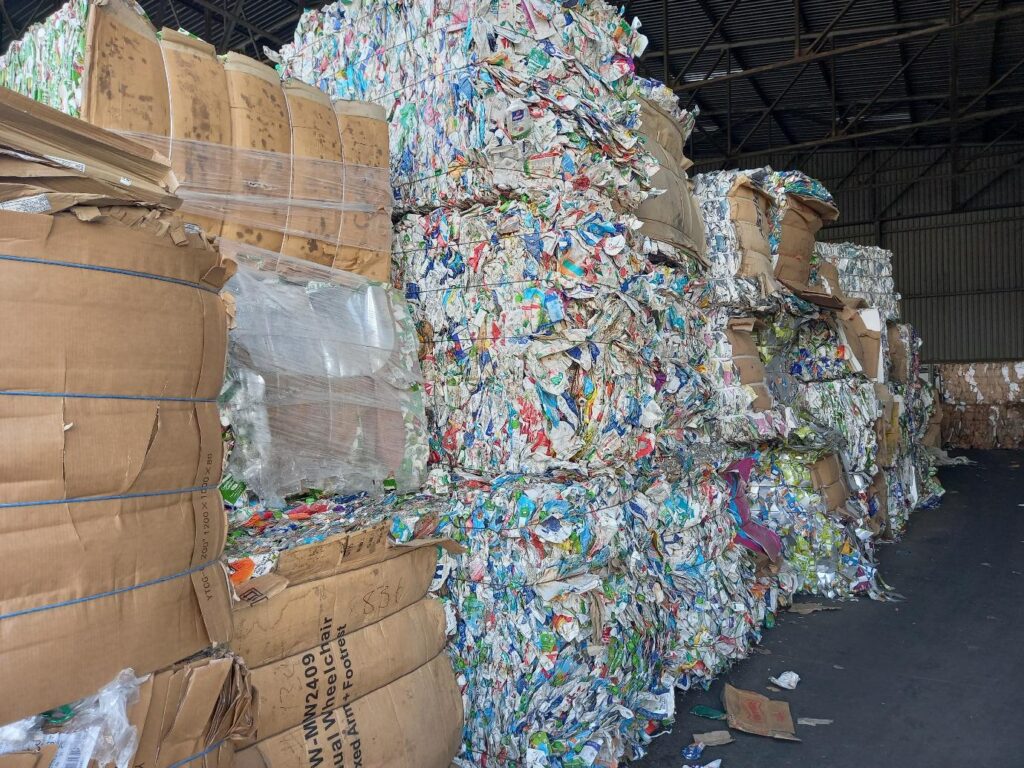
The sorting process also removes non-recyclables, which are taken to the municipal dumping site at a cost of R540 per ton. If you see a homemade trolley piled high with recyclables being pulled by someone, remember they are providing a valuable service by delivering material to Paarl Waste and Recycle. Because recyclables do not weigh much, they are stacked high. A hardworking person can earn up to R350 per day.
Drakenstein Municipality provides recycling bags to households and shops. When recycling was first introduced, circulars explained the rules: recyclables must be empty, clean, and dry. Over time, many citizens have forgotten – or ignored – these rules. Even one unclean or wet item can contaminate an entire bag, sending it to the dumping site instead of being recycled. This non-compliance undermines sustainability. Printing the rules directly on the bags would serve as a constant reminder – and there is more than enough space!
Contact Paarl Waste and Recycle: 021 868 2805/6