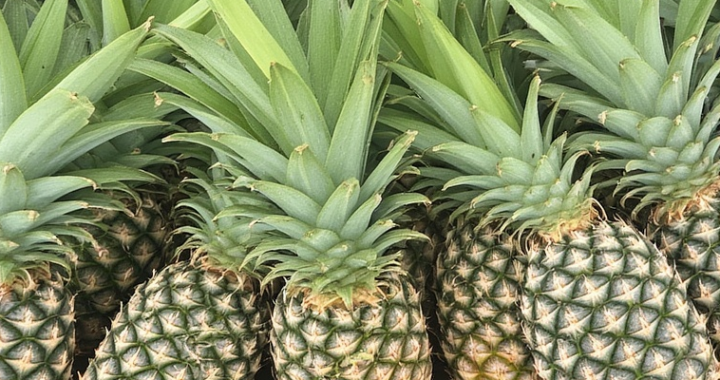
by Bienvenu Gael Fouda Mbanga, Research fellow, Nelson Mandela University – this article was first published in theconversation.com In South Africa, manufacturers of pineapple juice and other pineapple products discard thousands of tons of pineapple leaves every year, with most ending up in dumpsites. The leaves are seen as agricultural waste and usually treated as […]
Continue readingAll Articles

Waste, Pollution and Recycling: A Reader
by GST Staff Cactus waste could become a low-cost building material Construction sites don’t usually bring cactus plants to mind. Still, engineers think leftover material from prickly pear cactus farming could offer a cleaner, lower-cost way to make building materials. At first, the idea may sound unusual. But it points to a real problem in […]
Continue reading
Jules of the Karoo: premier home of the springbok
by Anne Kruger, GST Correspondent In the heart of South Africa’s Northern Cape lies Jules of the Karoo Safaris, a testament to sustainable tourism and conservation. This working Merino sheep farm is renowned for its Springbok breeding and trophy hunting. These combined activities ensure sustainability. As a member of GST, the GST measure and manage […]
Continue reading
Sustainability steps: Municipal waste disposal changes in the pipeline
by Anne Kruger, GST Correspondent With the growing importance of environmental sustainability in mind, GST recently looked into the current status of the waste disposal process in the Drakenstein Municipality. Despite the fact that Drakenstein Municipality has a successful recycling process for inorganic waste implemented throughout the municipal area, this is not considered enough to […]
Continue reading
South African tourism faces a sustainability tipping point as eco-fatigue takes hold
PRESS RELEASE – Cape Town Travellers want to make sustainable choices, but eco-fatigue and skepticism are changing that conversation, says Dr Niel du Toit, CEO of Go Sustainable Tourism. Here he explores why trust is the new currency of tourism and what industry players must do if they want to avoid falling off the map. […]
Continue reading
Unusual plants, animals at Bartholomeus Klip’s famous Elandsberg Nature Reserve
by Anne Kruger, GST Correspondent Bartholomeus Klip is a working sheep and wheat farm located in the farmlands of the Riebeek Valley. It is surrounded by a pristine nature reserve and looks out onto the Limiet Mountain range. Visitors to Bartholomeus Klip can experience a mix of a working farm, nature reserve and luxurious accommodation […]
Continue reading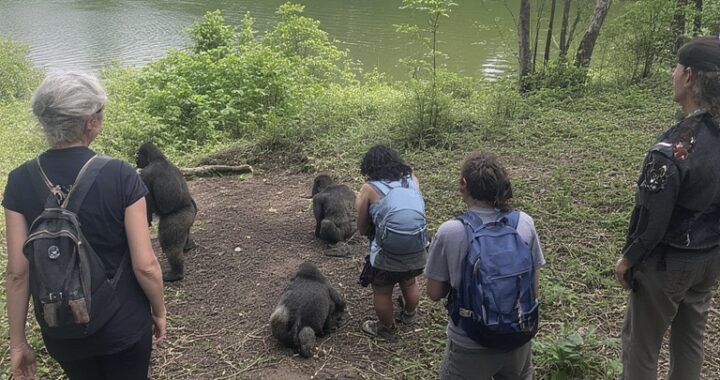
Luxury tourism is a risky strategy for African economies – new study of Botswana, Mauritius, Rwanda
by Pritish Behuria – Reader in Politics, Governance and Development, Global Development Institute, University of Manchester. This article was published in The Conversation on 28 October 2025 How successful is luxury tourism in Africa? What happens if it fails to produce higher tourism revenues: can it be reversed? And does it depend on what kind […]
Continue reading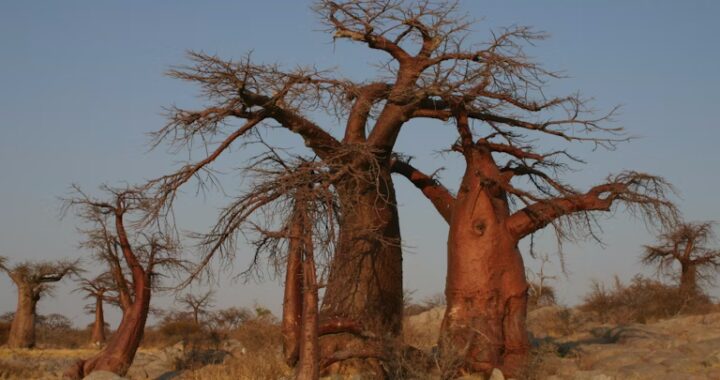
The secret life of baobabs: how bats and moths keep Africa’s giant trees alive
by Sarah Venter – Baobab Ecologist, University of the Witwatersrand, published in The Conversation 6 November 2025 Baobabs are sometimes called “upside-down trees”, because their branches look like roots reaching skywards. Of the eight species of baobab in the world, six are confined to Madagascar, one to northern Australia and one species, Adansonia digitata, is […]
Continue reading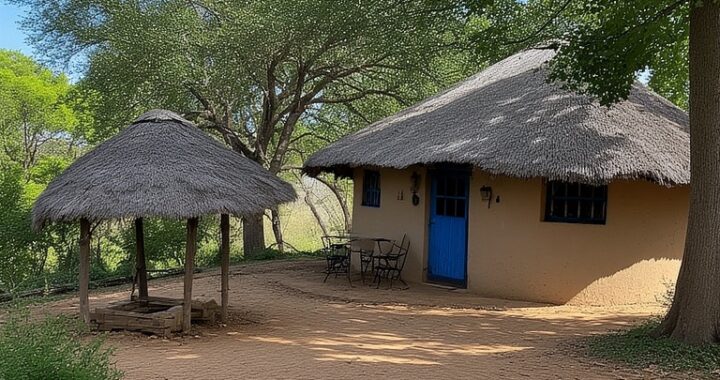
South African heritage tourism could uplift rural communities – the case of Sekhukhune
by Madiseng Phori, Tourism Lecturer, Tshwane University of Technology This article was first published in The Conversation Imagine visiting a remote valley surrounded by mountains, hundreds of kilometres away from the nearest city, listening to local people explaining hundreds of years of history to you. The Tšate Valley, in South Africa’s Limpopo province, is one […]
Continue reading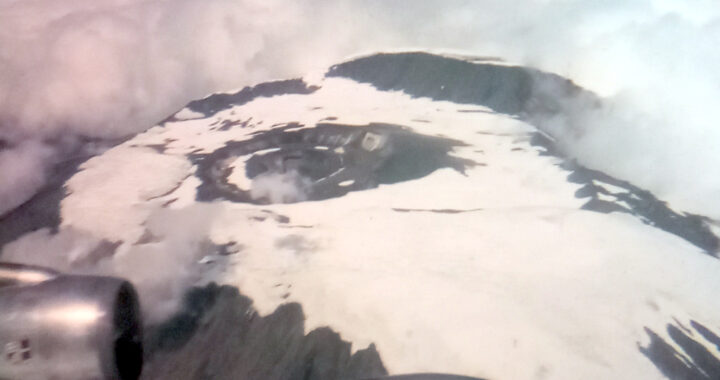
75% of Kilimanjaro’s natural plants have been wiped out – and climate change isn’t the biggest threat
by Andreas Hemp, Research Associate Plant Systematics, Bayreuth University This article was published in The Conversation MOUNT KILIMANJARO in Tanzania is sold to the world as frozen romance and pure nature. But the real story today is at its feet, not its peak. That’s because Kilimanjaro is a great real-world place for scientists to study […]
Continue reading