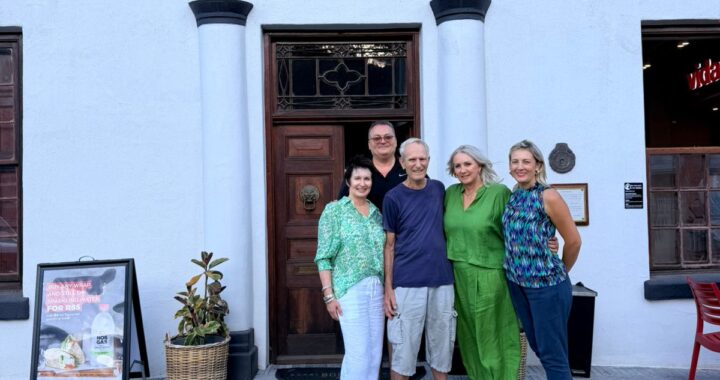
By Mark van Eyssen, GST Assessor
Along the oak-lined Main Road of Paarl, directly opposite the historic Paarl Gymnasium, stands a building that quietly tells a story spanning more than three centuries. At first glance, it is a beautifully restored Cape Dutch property. But step closer and it becomes something more, a living piece of the Cape Winelands’ past.
The story starts in 1713, when this land formed part of the farm Optenhorst, granted to early settler Booy Booysen. In those days, Paarl was still a young settlement, surrounded by vineyards, orchards and open farmland stretching towards the mountains.
By 1792, part of this land was subdivided and soon after, a homestead known as D’Olijvenboom took shape. Like many early Cape homes, it began simply, a longhouse built for practicality, shelter and life close to the land.
As Paarl flourished through the 19th century, so too did the house. It was expanded into the elegant Cape Dutch form we recognise today, complete with its distinctive gable dated 1852.
That gable still stands as a signature feature, its curves and lines telling of a time when architecture was both functional and expressive. Inside, later additions reflect changing tastes, from thicker walls that kept out the summer heat to refined interior details introduced over generations.
Walking through the building today, you can almost feel the layers of history, each era leaving its mark.
In more recent years, the property found new life under the care of master goldsmith Klaus Schnack. Known for his bespoke jewellery and meticulous craftsmanship, Klaus brought a quiet refinement to the space.
His presence added something intangible yet unmistakable, a sense of artistry and precision that echoed the building’s own history. Much like the house itself, his work was rooted in patience, skill and an appreciation for timeless beauty.
Today, although the property has passed into new hands, that legacy remains part of its identity, a reminder that places, like people, are shaped by those who leave their mark on them.
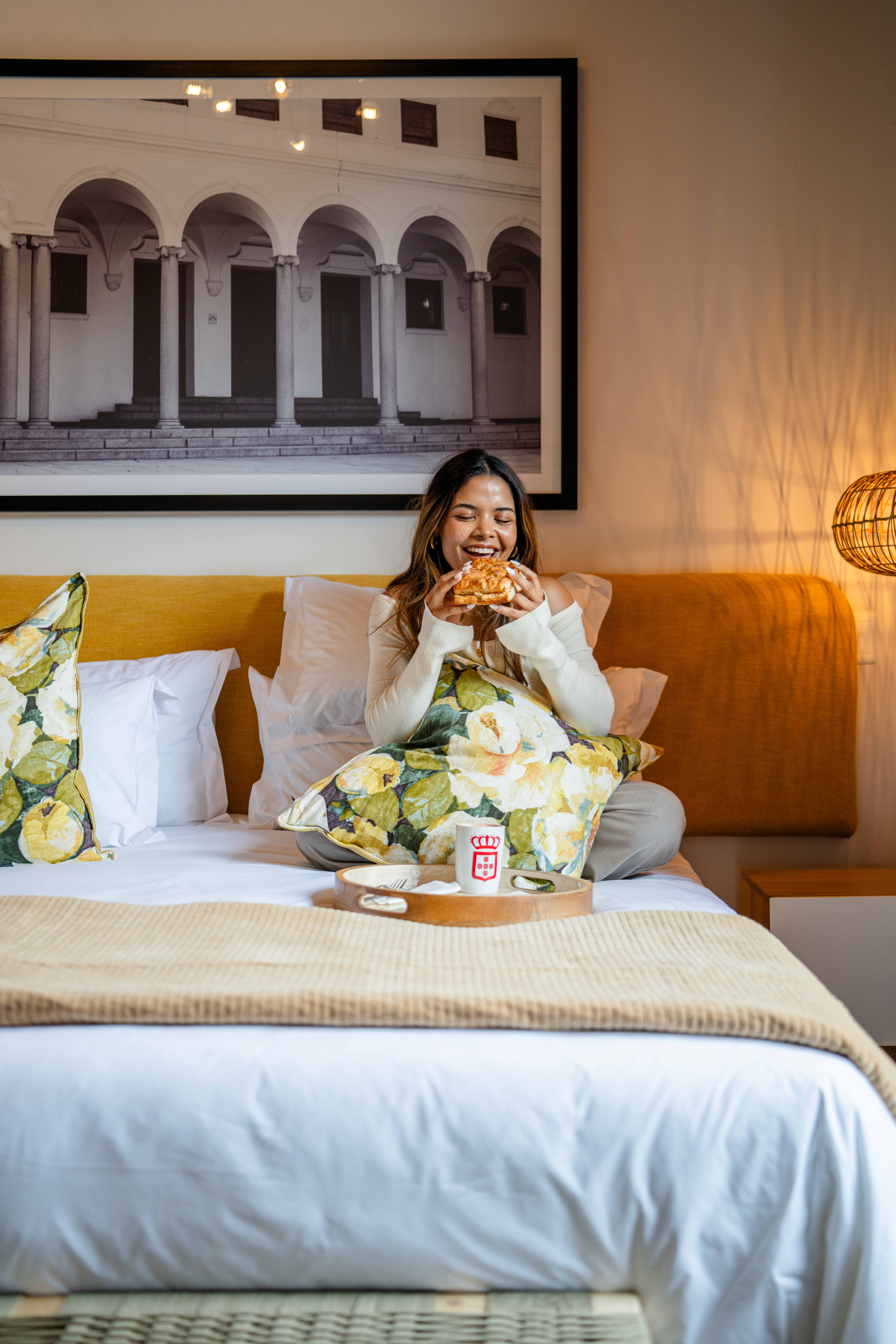
Now thoughtfully restored as the Paarl Boutique Hotel, the building offers visitors the chance to experience history without stepping away from comfort.
Adding to its charm is Vida e Caffè, where guests and passersby can pause for coffee beneath the same walls that have stood for generations. It’s a small but meaningful detail, blending the rhythm of modern life with the calm presence of the past.
Its location opposite Paarl Gymnasium adds another layer to the story. Here, history and youth meet daily, centuries-old architecture facing one of South Africa’s leading schools, where new generations pass by the old, often without realising the depth of history just across the road.
For travellers exploring Paarl, this landmark is more than a place to stay or visit. It is a reminder of how the town has grown, from farmland to cultural destination, while still holding onto the stories that shaped it.
From its beginnings as D’Olijvenboom, to its evolution through the 1800s, to its more recent chapter under a master craftsman and now as a welcoming boutique destination, the building continues to adapt, without ever losing its soul.
And perhaps that is what makes it truly special, not just its age or its architecture, but its ability to carry history forward, inviting each new visitor to become part of its story.